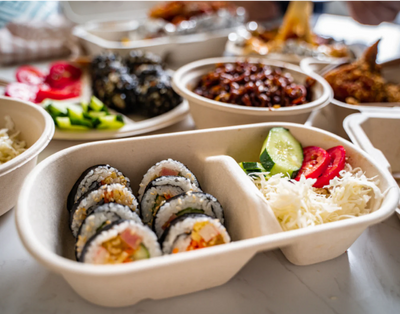

Ramadan is a time of profound spiritual reflection, community gathering, and generosity. As millions worldwide break their fast with the evening meal of Iftar, these beautiful gatherings can, unfortunately, leave a significant environmental footprint. Disposable plastics—from plates and cutlery to water bottles and packaging—are frequently used in high-volume catering, leading to mounds of waste after short event durations. For Ramadan 2026, there is a powerful opportunity to align the spiritual practice of mindfulness and responsibility with environmental stewardship by committing to truly sustainable Ramadan 2026 practices.
The shift toward sustainability is not just a trend; it's a necessary movement. Every single Iftar event that opts for plastic-free alternatives prevents hundreds, and often thousands, of single-use items from polluting our landfills and oceans. By choosing to host an eco-conscious Iftar, communities can demonstrate that large-scale events can be both joyous and environmentally sound.Actionable Eco-Friendly Iftar Ideas for a Greener Fast

Transitioning to a plastic-free Iftar doesn't have to be complicated. It begins with strategic planning and sourcing. Here are four essential steps for hosting a truly sustainable event:
1. Embrace Compostable Tableware in Bulk
This is the single most impactful change. Replace all Styrofoam, plastic plates, cups, and cutlery with certified compostable alternatives. Look for options made from natural materials like bagasse (sugarcane fiber) or FSC-certified paper. When planning large-scale plastic-free catering events, purchasing compostable tableware bulk is cost-effective and ensures consistency. Make sure to partner with a waste management service that can properly process the compostable materials, turning potential trash into rich soil.
2. Implement Smart Portion Planning to Reduce Food Waste
Food waste is a major sustainability concern. High-volume catering often leads to over-preparation. Reduce waste by implementing an RSVP system to accurately gauge attendance. Work with caterers to plan portions carefully, focusing on quality and alignment with the confirmed number of guests. Any unavoidable, unspoiled leftovers should be immediately diverted to local shelters or community kitchens through food rescue programs.
3. Champion Reusable Drink Options
Single-use water bottles and plastic cups are omnipresent at large events. Eliminate them entirely by establishing dedicated water stations. Encourage guests to bring their own refillable bottles or provide durable, branded reusable cups that guests can take home. If you must use disposables, choose recyclable aluminum cans or glass bottles over plastic, and set up clear recycling bins.

4. Partner with Sustainable Caterers and Vendors
Your choice of vendors is critical. Select catering partners who already prioritize eco-friendly practices, such as locally sourcing ingredients, minimizing their own packaging, and utilizing reusable transport containers. When discussing eco-friendly iftar ideas with them, explicitly request that they deliver food in non-plastic containers and commit to proper on-site waste separation. This partnership ensures your sustainability mission is supported from the kitchen to the dining hall.
The spiritual focus of Ramadan on community and service perfectly complements the responsibility we have to our planet. By adopting these sustainable practices for Ramadan 2026, you're not just hosting an Iftar; you're setting a new, powerful standard for mindful celebration.